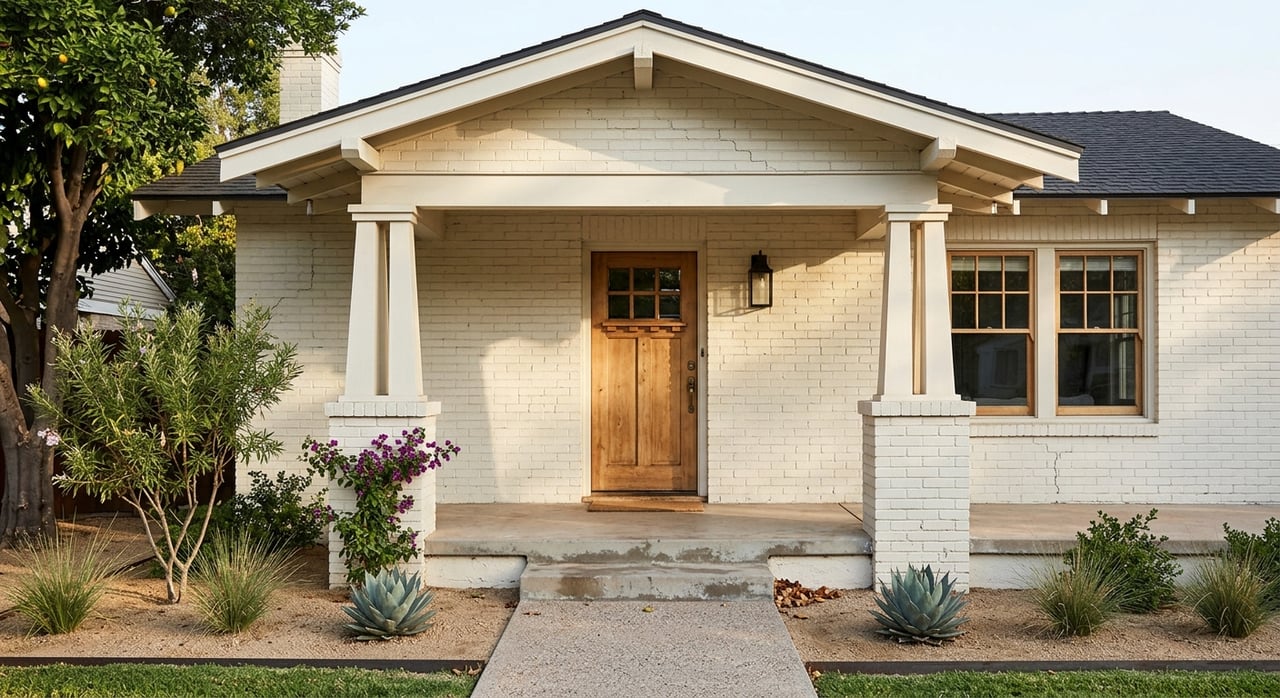
If you want a home with real character and a location that makes daily life easier, central Phoenix deserves a close look. This part of the city offers a rare mix of historic architecture, established streetscapes, and easy access to parks, dining, museums, and transit. Whether you are drawn to a front porch bungalow or a later ranch-style layout, understanding how these neighborhoods were built and how they function today can help you buy with confidence. Let’s dive in.
Why central Phoenix stands out
Central Phoenix offers something that can be hard to find in newer areas: architectural variety with a strong sense of place. The City of Phoenix lists 36 residential historic districts with HP overlay zoning, and many of the best-known central neighborhoods developed in the early to mid-20th century.
That includes areas such as East Evergreen, Encanto-Palmcroft, F.Q. Story, Garfield, Roosevelt, Willo, North Encanto, and Windsor Square. In Uptown, Windsor Square stands out as the city’s only historic district with homes built primarily in the 1930s through the 1950s.
For buyers, that means you are not just choosing a house. You are also choosing between different eras of design, lot patterns, and neighborhood layouts, all within the urban core.
What defines bungalow living
Many of central Phoenix’s early neighborhoods were shaped by streetcar-era growth. In places like East Evergreen, the historic record describes an intact streetcar suburb with a strong concentration of Craftsman-influenced bungalows.
These homes often feature details that buyers still love today, including:
- Gabled roofs
- Generous front porches
- Triangular knee braces
- Exposed rafter ends
- Tapered porch posts on brick or stucco piers
Those details do more than add charm. They help create the porch-forward streetscapes and human-scale feel that make older central Phoenix neighborhoods so memorable.
How bungalow areas evolved
Central Phoenix did not develop all at once, and that history still shows in the way neighborhoods feel today. Some early subdivisions began as larger tracts tied to streetcar access and were later divided into smaller residential lots.
That pattern can create a more compact, walkable feel in some areas. It also helps explain why one central Phoenix neighborhood may feel very different from another, even when both are close to downtown or Uptown destinations.
For you as a buyer, that means it is worth looking beyond square footage alone. Lot size, setback, street pattern, and the rhythm of the block all shape how a home lives day to day.
Where ranch style enters the picture
Not every central Phoenix buyer wants a classic bungalow. Later neighborhoods brought a transition toward ranch-style homes, giving you another option if you want central convenience with a different layout and design language.
North Encanto is a strong example. The City of Phoenix describes it as having one of the largest concentrations of Transitional and Early Ranch-style homes in metropolitan Phoenix, with development from 1939 to 1956.
The neighborhood also reflects a shift in planning. Its circular street plan follows FHA-influenced development principles and moves away from the earlier Phoenix grid, creating a distinct residential feel compared with older streetcar-era areas.
Why these homes remain appealing
The lasting demand for central Phoenix bungalow and ranch homes comes from a simple combination: character and convenience. Buyers can choose between early bungalow architecture and later ranch layouts without giving up access to the city’s core amenities.
Historic preservation also plays a role. Phoenix’s HP overlay system helps protect neighborhood character through design review, which can support the visual continuity that draws many buyers to these areas in the first place.
For many people, the appeal is practical as much as aesthetic. You get mature neighborhood fabric, recognizable architecture, and close-in access to everyday destinations that support a connected lifestyle.
What to know about historic districts
If you are considering a home in one of Phoenix’s HP or HP-L overlay districts, it is important to understand how exterior changes are reviewed. According to the City of Phoenix, exterior work, demolition, moving, restoration, reconstruction, and changes to exterior appearance require review by the Historic Preservation Office.
Some work is excluded. Routine painting and interior work that does not affect the exterior generally do not require that review.
The city also notes that some smaller rear additions and patio covers may qualify for a Certificate of No Effect, while more visible or complex work may require a Certificate of Appropriateness. If you love the idea of updating a historic home, this is a key part of your planning process.
Renovation opportunities and incentives
Owning a historic home does not always mean choosing between preservation and function. Phoenix offers preservation-oriented incentives that may help eligible homeowners maintain or improve these properties.
The city’s Exterior Rehabilitation Grant Program provides matching assistance for eligible historic homes in city-designated historic districts or on the historic register. Awards range from $5,000 to $20,000 per project.
That can matter if you are buying a home with original character and a to-do list. It is one more reason central Phoenix can appeal to buyers who want a home with personality and long-term improvement potential.
ADUs and added flexibility
If usable space is part of your plan, Phoenix also offers pre-approved detached ADU plans and current ADU rules that allow two ADUs on qualifying single-family lots, with a third allowed in some cases, subject to zoning and lot-coverage limits.
That flexibility can be meaningful for buyers thinking ahead. You may want space for guests, a detached workspace, or future housing options on the same property.
Of course, every lot is different, especially in older neighborhoods. That is why it helps to evaluate zoning, lot layout, and any historic district review early in the process.
Everyday convenience in central Phoenix
A beautiful home matters, but so does what surrounds it. Central Phoenix stands out because many of its historic neighborhoods sit close to some of the city’s most active cultural and lifestyle destinations.
The City of Phoenix describes Roosevelt Row and Grand Avenue as walkable arts districts with galleries, independent restaurants, bars, and shops. The nearby Melrose District is known for locally owned antique shops and boutiques connected to midcentury design.
That means your weekends and evenings can feel less car-dependent and more connected to the city. For many buyers, that nearby amenity mix is just as important as the home itself.
Museums and cultural destinations nearby
Central Phoenix also puts you near major museums and public spaces. Phoenix Art Museum is located at 1625 N. Central Ave., and the Heard Museum is at 2301 N. Central Ave.
The city also highlights S'edav Va'aki Museum as a place to explore Phoenix’s prehistoric roots and the only publicly accessible ancestral village site in the city. Nearby Margaret T. Hance Park adds even more destinations, including the Japanese Friendship Garden, Irish Cultural Center, McClelland Irish Library, Phoenix Center for the Arts, and Burton Barr Phoenix Central Library.
For buyers who want more than a house, this kind of access can be a big part of the value story. It supports a lifestyle that feels urban, local, and active.
Parks that add breathing room
Central living does not mean giving up green space. Encanto Park is a 222-acre city park close to downtown, and Steele Indian School Park is a 72-acre special-event park in central Phoenix.
These large public spaces help balance the denser feel of older neighborhoods. They also add everyday convenience if you enjoy walking, outdoor events, or simply having open space nearby.
In practical terms, parks can shape how livable a neighborhood feels over time. Easy access to outdoor space often becomes one of the features buyers appreciate most after move-in.
Transit and airport access
Transportation is another reason central Phoenix stays on buyers’ radar. Valley Metro Rail runs 35 miles with 51 stations across Phoenix, Tempe, and Mesa.
It also connects to Phoenix Sky Harbor International Airport through PHX Sky Train at the 44th St/Washington station. For some buyers, that means easier commuting options and simpler airport access without relying on long cross-town drives.
When you combine that with central location and established housing stock, it becomes easier to see why these neighborhoods continue to attract attention. Convenience here is not just about being close to places. It is also about having multiple ways to reach them.
What buyers should consider
If central Phoenix bungalow living is on your shortlist, it helps to look at the full picture. Style matters, but so do review requirements, lot constraints, renovation goals, and how you want to use the property over time.
A smart home search often includes questions like these:
- Do you prefer bungalow details or ranch-style layouts?
- Is the home in an HP or HP-L overlay district?
- Are you planning exterior updates or additions?
- Would ADU potential matter to your long-term plans?
- How important are parks, museums, dining, and rail access to your routine?
The right answer depends on your goals. Some buyers want preserved historic details and are happy to work within design guidelines, while others want a central location with a more flexible renovation path.
Why local guidance matters
Central Phoenix is full of nuance. Two homes that seem similar online can offer very different ownership experiences based on district rules, lot layout, architecture, and proximity to key amenities.
That is where local guidance becomes especially valuable. When you understand how historic review, neighborhood design, and daily convenience come together, you can make a more confident decision and avoid surprises later.
If you are exploring central Phoenix neighborhoods and want help comparing bungalow charm, ranch alternatives, and lifestyle fit, Logan Lewis can help you narrow your options and move forward with a plan that matches your goals.
FAQs
What makes central Phoenix bungalow homes distinctive?
- Central Phoenix bungalow homes often reflect Craftsman-influenced design, including gabled roofs, front porches, exposed rafter ends, triangular knee braces, and tapered porch posts on brick or stucco piers.
What should buyers know about Phoenix historic district rules?
- In Phoenix HP or HP-L overlay districts, exterior work, demolition, moving, restoration, reconstruction, and changes to exterior appearance require Historic Preservation Office review, while routine painting and interior work that does not affect the exterior are generally excluded.
What historic neighborhoods are part of central Phoenix?
- The City of Phoenix identifies central residential historic districts including East Evergreen, Encanto-Palmcroft, F.Q. Story, Garfield, Roosevelt, Willo, North Encanto, and Windsor Square.
What is the difference between bungalow and ranch homes in central Phoenix?
- Bungalow areas are often tied to earlier streetcar-era growth and porch-focused design, while ranch neighborhoods such as North Encanto reflect later development patterns and a transition to Transitional and Early Ranch-style homes.
What parks and attractions are near central Phoenix neighborhoods?
- Central Phoenix offers access to Encanto Park, Steele Indian School Park, Phoenix Art Museum, the Heard Museum, S'edav Va'aki Museum, and destinations around Margaret T. Hance Park.
What transit options support central Phoenix living?
- Valley Metro Rail runs 35 miles with 51 stations across Phoenix, Tempe, and Mesa, and it connects to Phoenix Sky Harbor International Airport through PHX Sky Train at the 44th St/Washington station.
Can buyers add an ADU to a central Phoenix property?
- Phoenix allows two ADUs on qualifying single-family lots, with a third allowed in some cases, subject to zoning and lot-coverage limits, but buyers should also consider lot conditions and any historic district review requirements.
Are there financial incentives for restoring a historic Phoenix home?
- The City of Phoenix Exterior Rehabilitation Grant Program offers matching assistance for eligible historic homes in city-designated historic districts or on the historic register, with awards ranging from $5,000 to $20,000 per project.