Wondering what a home style in Paradise Valley really tells you? In a town known for large single-family lots, mountain views, and nearly year-round sun, the look of a home is only part of the story. If you are comparing properties here, it helps to understand how each style tends to handle privacy, shade, views, outdoor living, and future flexibility. Let’s dive in.
Why home style matters in Paradise Valley
Paradise Valley began as a rural residential area with large parcels, usually one to five acres, and it is still predominantly zoned for single-family housing. That setting shapes how homes are designed and how they live day to day.
With Camelback Mountain, the Phoenix Mountain Preserve, and the McDowell Mountains framing the area, buyers often care as much about siting as they do about square footage. In a place that averages 294 sunny days each year, the best home for you may come down to how it manages light, shade, and outdoor use.
Contemporary homes in Paradise Valley
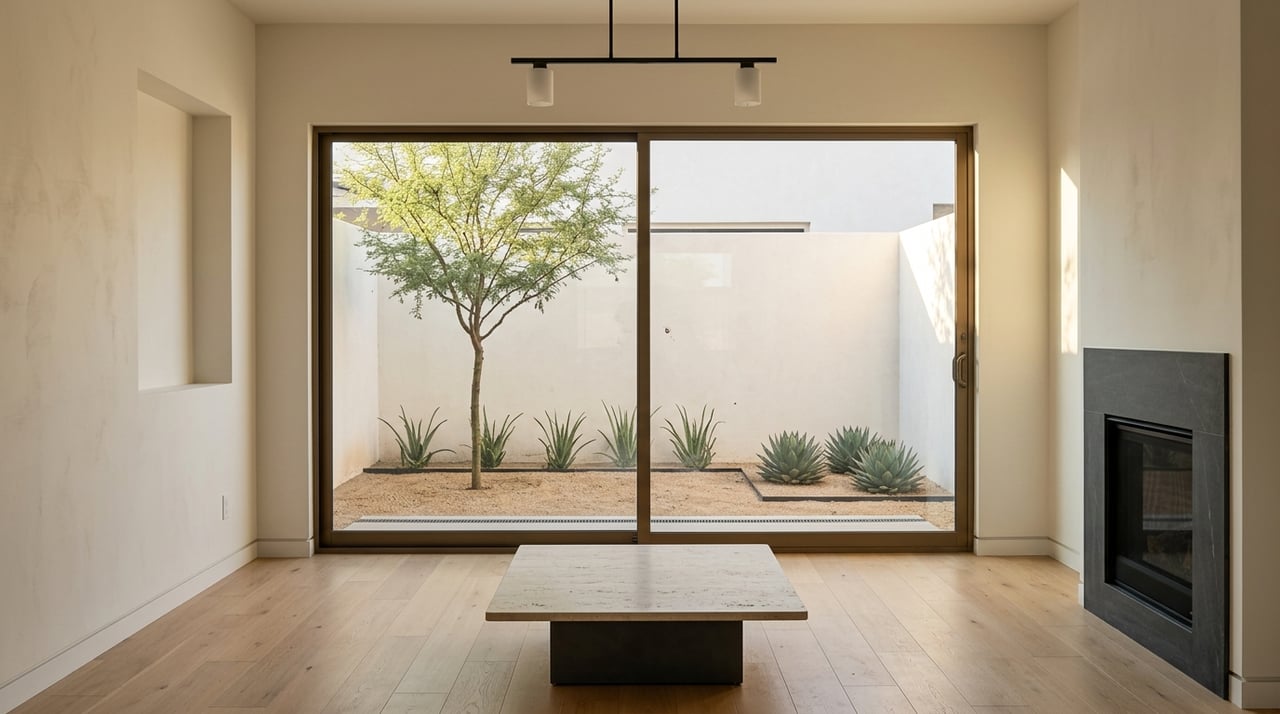
Contemporary architecture refers to current design trends rather than one fixed look. These homes often feature open floor plans, abundant glass, asymmetrical forms, skylights, clerestory windows, and a strong connection between indoor and outdoor spaces.
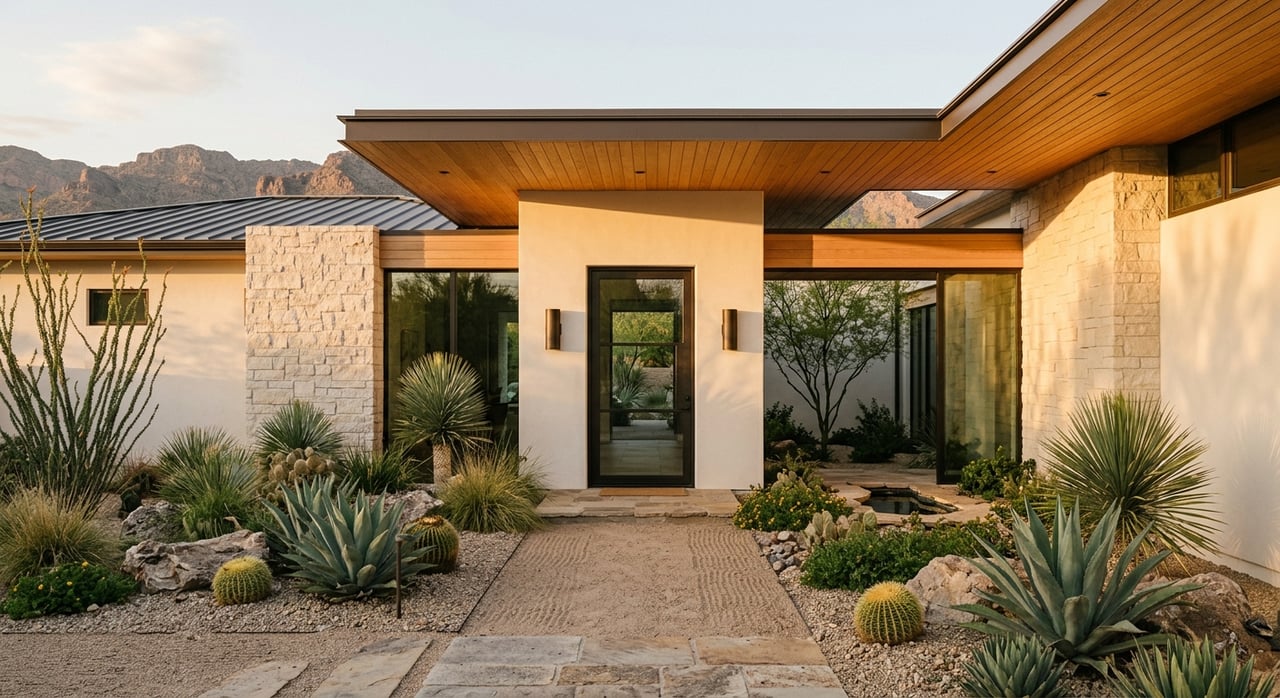
In Paradise Valley, contemporary homes often adapt those ideas to desert living. Local examples show homes placed on a diagonal to improve views and solar protection, along with pocketing glass doors, clerestory windows, and overhangs that help temper sun exposure.
What contemporary homes tend to offer
If you want bright interiors and a strong entertaining setup, contemporary homes often deliver. They can create seamless flow between living areas, patios, and view corridors, which is especially appealing on lots with mountain or city views.
They also tend to provide a clean visual backdrop for art, modern furnishings, and wide open sightlines. For buyers who want a fresh, current feel, this style often checks that box.
What to think about before you buy
In Paradise Valley, glass-heavy design works best when orientation and shade are handled well. South-facing patios and large window walls may need overhangs, landscape screening, or other shading strategies to stay comfortable in the sunny climate.
Privacy can also take more planning in a contemporary design. If a home opens broadly to the outdoors, you will want to look closely at lot placement, setback relationships, and how the house balances openness with separation from neighboring properties.
Southwestern homes in Paradise Valley
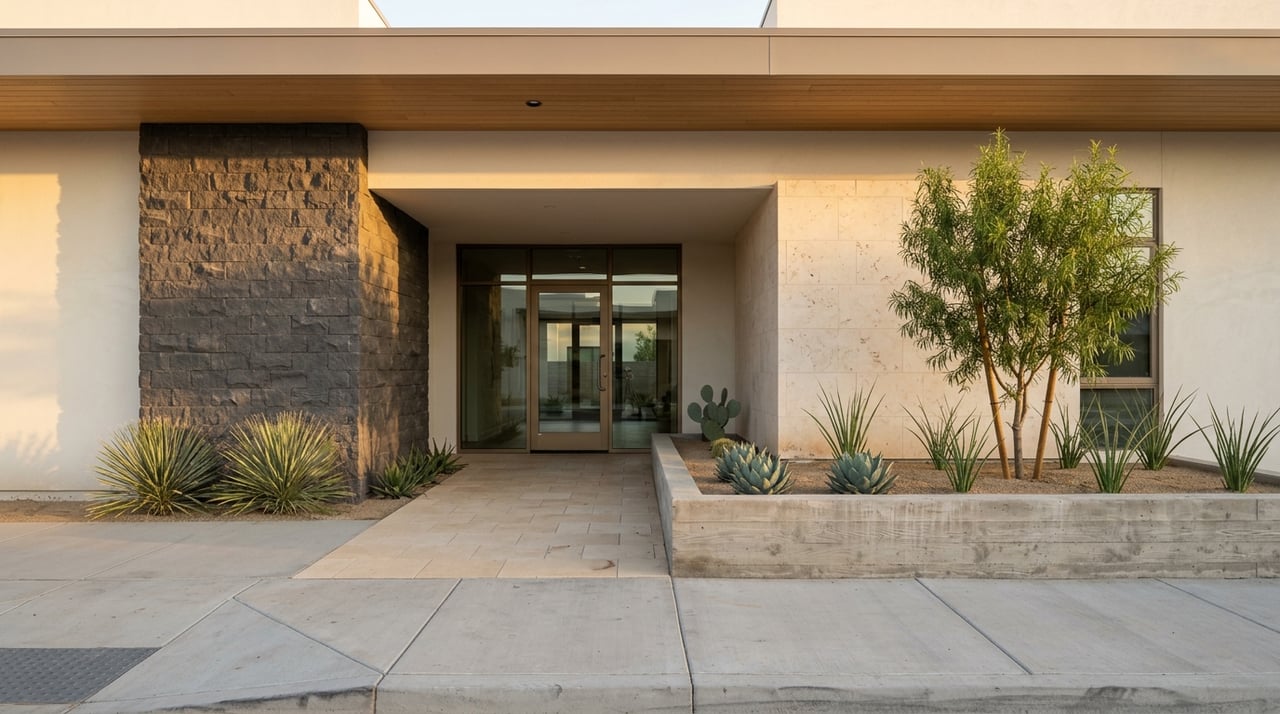
Southwestern homes in this area often blend Pueblo Revival and Mission Revival influences. Common features can include flat roofs with parapets, rounded walls, stucco finishes, thick beams, red clay tile roofs, arched openings, deep windows, and overhanging eaves.
In Paradise Valley, this style often feels especially grounded on larger desert lots. A local adobe property that was renovated into a private compound shows how the style can retain its sheltering character while also supporting patios, guest space, pool living, and modern indoor-outdoor use.
What Southwestern homes tend to offer
Southwestern homes often bring a strong sense of place. Their materials and forms can feel warm, textured, and rooted in the desert landscape.
They also tend to feel more enclosed than glass-forward contemporary homes. For some buyers, that can mean a more comfortable sense of privacy, shade, and visual softness.
Where this style may fit best
If you want a home that visually blends into the surroundings, this style may appeal to you. It often supports courtyard living, covered patio use, and a more sheltered outdoor experience.
Buyers who prefer warmth and character over sleek minimalism often connect with Southwestern design. It can be a strong option if your priorities include privacy and a home that feels established rather than stark.
Ranch homes in Paradise Valley
Ranch homes became widely popular after World War II and are known for low-pitched roofs, horizontal lines, asymmetrical facades, and mostly one-story layouts. They were designed for informal living, with easy flow and practical day-to-day use.
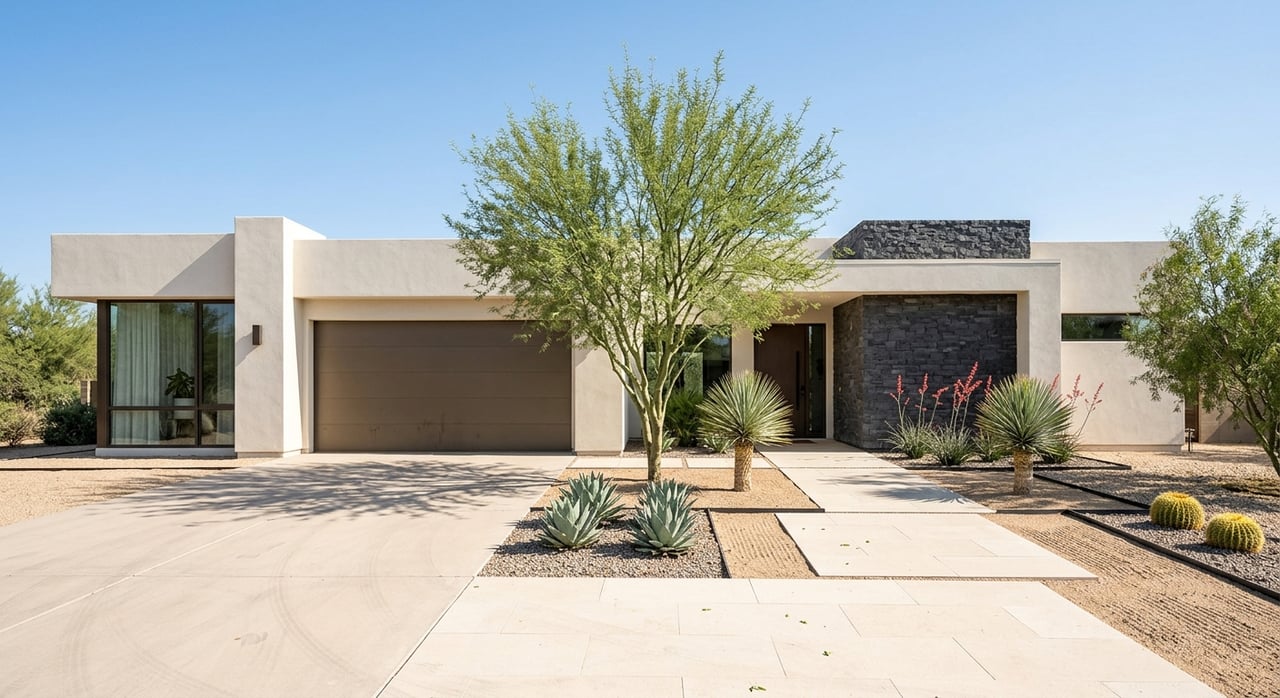
In Paradise Valley, ranch homes remain relevant because they work well on larger lots. Local examples include remodeled ranch properties with mountain-facing glass walls, landscaped patios, courtyard entries, guesthouses, and updated indoor-outdoor spaces.
What ranch homes tend to offer
For many buyers, the biggest advantage is single-level living. Ranch homes can provide easy circulation, straightforward room flow, and simple access between interior living areas and outdoor spaces.
They can also offer flexibility for updates over time. On a larger lot, a ranch property may provide room to rework the floor plan, expand outdoor living, or add supporting spaces where zoning allows.
What to watch for in older ranch homes
Some older ranch homes start with more compartmentalized layouts or dated systems. If you are buying with remodeling in mind, it is worth considering whether you will want to open up rooms, improve natural light, or modernize the overall feel.
That does not make ranch homes a drawback. It simply means you should weigh the home’s current livability against the level of renovation needed to match your goals.
Compare more than the style label
In Paradise Valley, style matters, but lot fit matters just as much. The way a house sits on the site can shape your experience of morning light, afternoon heat, outdoor comfort, and mountain views.
That is why two homes in the same style can live very differently. A well-sited property may feel calmer, brighter, and more private even if the square footage is similar.
Lot orientation and sun exposure
Flatland submittal requirements in Paradise Valley call for details such as north direction, lot dimensions, setbacks, streets, easements, and washes. That tells you orientation is not a minor issue here.
If you are touring homes, pay attention to where the main glass, patios, and outdoor living spaces face. In a climate with 294 sunny days a year, sun management can affect comfort as much as architecture does.
Privacy and view balance
Paradise Valley rules also reflect a balance between privacy and preserving views. The town requires setbacks, asks for screened mechanical equipment, and calls for a 70% minimum open view fence when that type of fence is used.
For you as a buyer, that means privacy may come from design choices more than from fully closed-off boundaries. Wall placement, landscaping, courtyards, and the relationship between indoor and outdoor rooms all become important.
Hillside and flatland differences
If you are considering a hillside property, there is another layer to think about. The Hillside Building Committee reviews land disturbance, building height, lighting, materials, grading, and drainage to help preserve hillside character.
That can matter if you plan to renovate or build in the future. A flatland home and a hillside home may offer very different possibilities depending on the lot and the level of review involved.
Guesthouses and accessory space
For buyers who want extra flexibility, accessory space can be a big factor. In the R-35 district, Paradise Valley zoning allows accessory buildings such as private garages, guesthouses, and residential staff quarters, subject to setbacks and other standards.
That can be useful if you are thinking about multigenerational living, long-term guest space, or a more compound-style setup. Instead of focusing only on the main house, it helps to ask what the lot may support overall.
Which Paradise Valley style may suit you best?
If you value dramatic views, airy interiors, and a modern entertaining setup, a contemporary home may fit your goals. If you want warmth, texture, and a stronger sense of enclosure, a Southwestern home may feel more natural.
If easy one-level living and remodeling potential matter most, a ranch home may deserve a close look. In Paradise Valley, the best choice often depends less on the style name and more on how the home handles sun, privacy, views, and outdoor living on its specific lot.
As you compare homes, it helps to look beyond finishes and curb appeal. The right guidance can help you evaluate not just what a home looks like today, but how well it supports the way you want to live.
If you are exploring Paradise Valley homes and want practical insight into how style, lot placement, and long-term usability come together, Logan Lewis can help you compare options with a local, clear-eyed approach.
FAQs
What does contemporary home style mean in Paradise Valley?
- In Paradise Valley, contemporary homes often mean open layouts, abundant glass, strong indoor-outdoor flow, and design choices that work with desert views, sunlight, and shade.
Which Paradise Valley home style offers the most privacy?
- Southwestern homes often feel more enclosed and materially grounded, which can appeal to buyers who want privacy and shade, though privacy also depends on lot placement and landscape design.
Are ranch homes in Paradise Valley usually one level?
- Ranch homes are generally known for one-story living, horizontal design, and informal room flow, which makes them appealing if you want easy circulation and fewer stairs.
Can Paradise Valley homes include a guesthouse or casita?
- Paradise Valley zoning in the R-35 district allows accessory buildings such as guesthouses, private garages, and residential staff quarters, subject to setbacks and other town standards.
Why does lot orientation matter for Paradise Valley homes?
- Lot orientation affects how a home captures views, handles sun exposure, and supports comfortable outdoor living, which is especially important in a town with 294 sunny days each year.
Are hillside homes in Paradise Valley different from flatland homes?
- Yes. Hillside properties can involve added review for land disturbance, height, lighting, materials, grading, and drainage, which can affect design choices and future renovation plans.