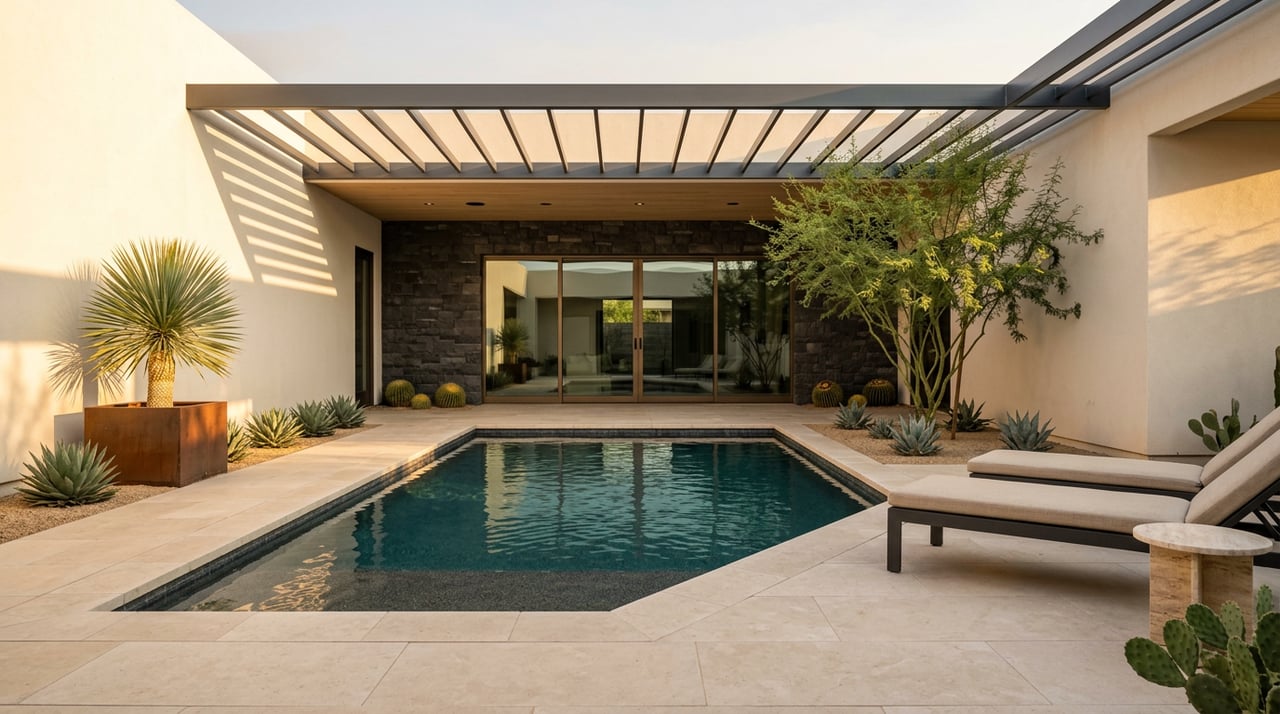
What if your morning coffee came with Camelback Mountain glowing in soft light and your evenings ended beside a shimmering pool with city lights beyond? If you are dreaming of a home that feels like a five-star stay, Paradise Valley makes it real. In this guide, you will see how to create resort-style living at home in PV, from indoor–outdoor floorplans and pool design to safety, permits, and smart efficiency tailored to our desert climate. Let’s dive in.
Why Paradise Valley fits resort living
Paradise Valley sits between Camelback Mountain and Mummy Mountain, where mountain silhouettes and city-light views are part of everyday life. That setting is a big reason resort-style backyards feel so natural here. The climate also shapes design: the Phoenix area averages about 75.6°F each year with roughly 7.2 inches of rainfall, and July daytime averages exceed 100°F. Those numbers point you toward shade, night lighting, and materials that stay cool underfoot, all backed by local data from the National Weather Service’s 1991–2020 climate normals.
Start with indoor–outdoor flow
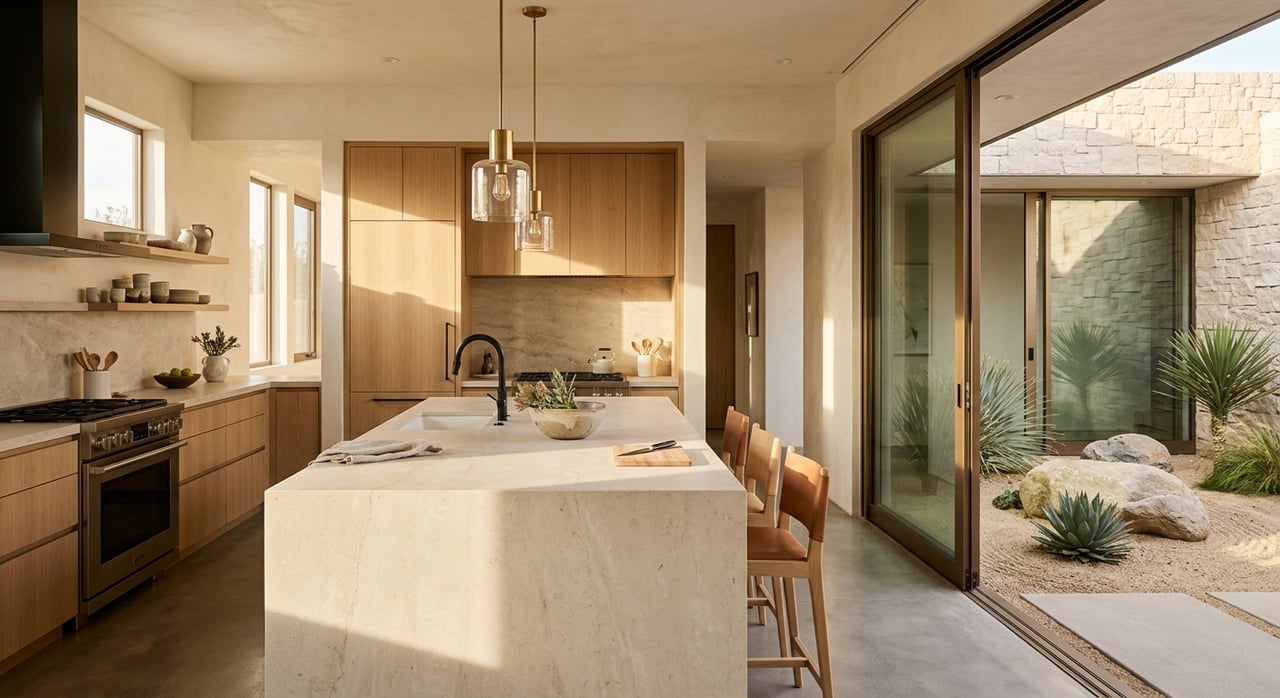
If you want your home to feel like a resort, start with the floorplan. Large stacking or pocketing glass walls and a covered loggia that extends your great room create the seamless connection you feel at top resorts. Buyer data shows outdoor living spaces and exterior lighting remain high priorities, according to the NAHB’s latest design trends.
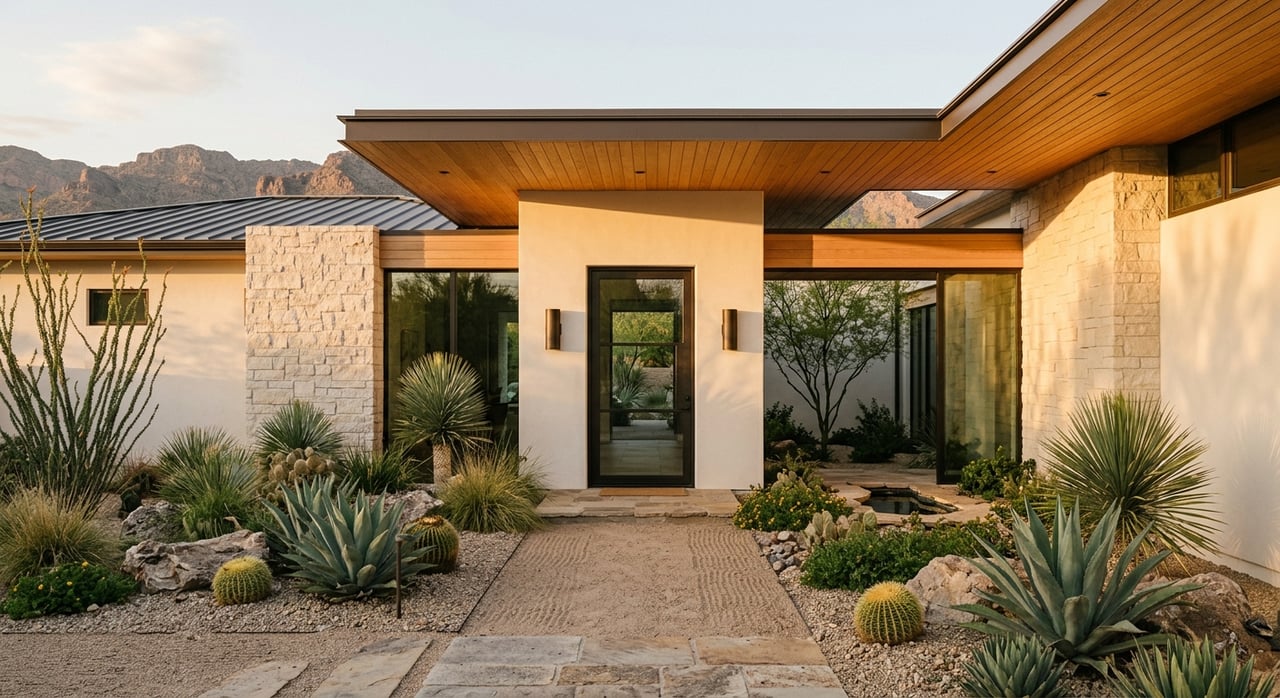
For PV specifically, deep overhangs and covered patios are your best friends. They cut direct sun, protect interior finishes, and make outdoor rooms usable most of the year. Ask your architect about orientation so you capture Camelback or Mummy Mountain views while limiting harsh midday sun.
Design the pool as centerpiece
In Paradise Valley, the pool often anchors the entire yard. A Baja or tanning shelf for lounging, an integrated spa, and a vanishing edge where the site frames a view are signature touches. Desert-friendly details matter too: light-colored travertine or cool deck surfaces, shaded sitting areas, and LED lighting that extends use into comfortable evenings. For ideas commonly used in Arizona luxury yards, explore these features highlighted by a local pool builder’s guide to top pool upgrades.
Night lighting is where the magic happens. Layered pool, path, and accent lighting gives you that resort mood without overpowering the stars or the mountains. Keep the palette simple so the view stays center stage.
Cool, cook, and gather outdoors
Think in zones: a shaded lounge for daytime, a dining area with a grill and refrigeration, and a fire feature for cool nights. Outdoor kitchens and fireplaces are consistently high-value additions, echoing the NAHB’s outdoor living trends. Ceiling fans and, where appropriate, misters make a covered patio feel comfortable even when temps spike. In winter, a fireplace or heaters extend your season so you can dine al fresco under the city lights.
Landscape for views and water
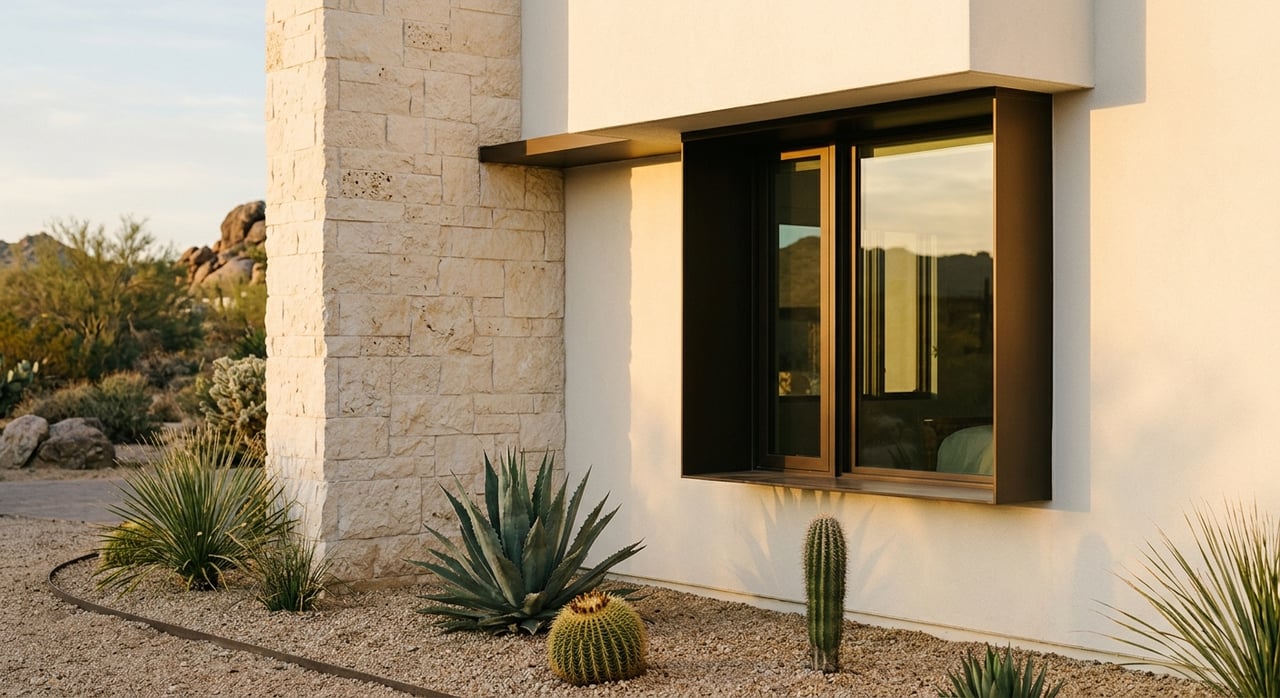
Resort yards in PV use layers. Near the house, a clean hardscape frames the pool and patios. The mid-layer mixes palms or shade trees with specimen desert plants. The outer layer stays low to keep sightlines open to Camelback and Mummy Mountain. Many luxury homes add mature palms or curated turf pockets for a lush look. Just weigh the tradeoffs, since turf and high-water plants increase water use in our arid climate. A balanced palette with shade trees plus native or low-water understory keeps maintenance and usage in check.
Plan for privacy
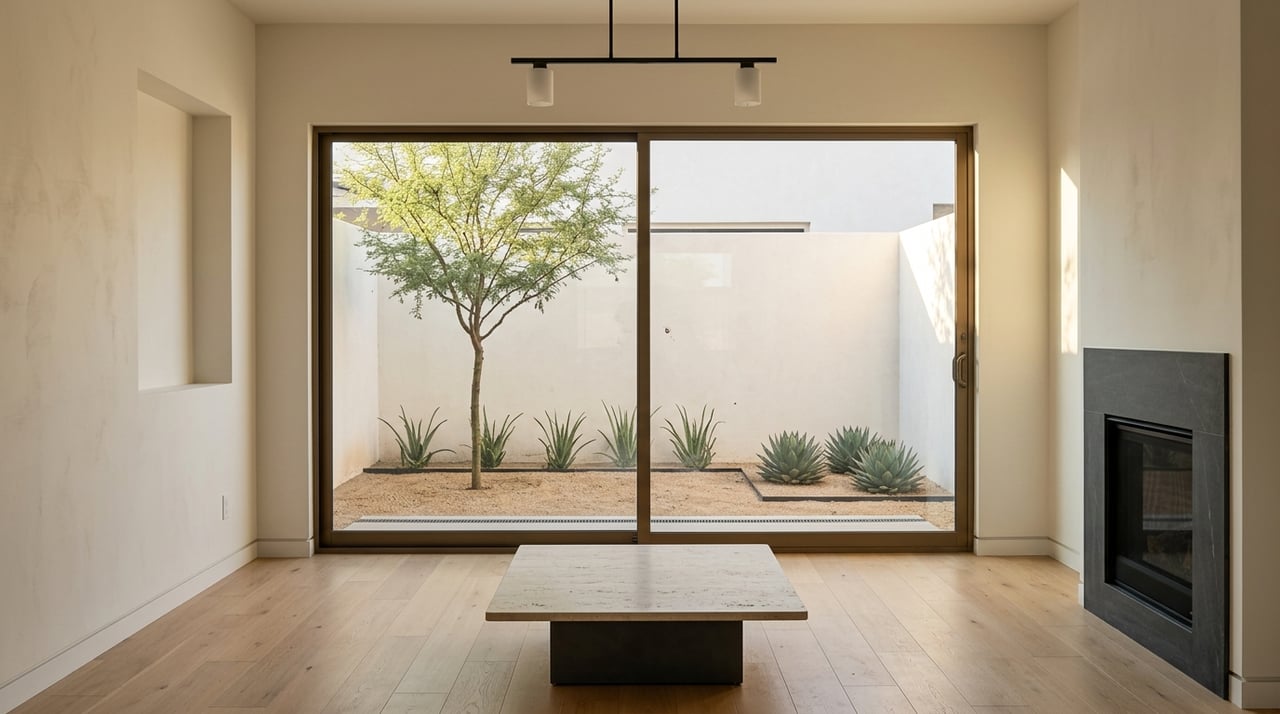
Paradise Valley’s larger lots and hillside parcels make privacy achievable with smart planning. Designers often orient living areas and patios away from neighbors while using site walls, berms, and dense planting to create secluded courtyards that still protect mountain views. The Town’s planning resources emphasize preserving a low-density, view-friendly character, which you can see in local planning documents on lot character and community design.
Permits, safety, and efficiency
Building a new pool or spa in PV requires a Town permit and inspections. Expect electronic submittals with a site plan and engineering, and be aware that many neighborhoods also require HOA approvals. Start at the Town’s Permits page before you bid any work.
Safety rules are explicit and enforceable. Paradise Valley’s pool barrier guide sets requirements such as a barrier top at 60 inches above exterior grade (48 inches where the barrier separates only the pool from habitable spaces), a maximum bottom clearance of 2 inches over dirt or 4 inches over solid surfaces, openings too small for a 4-inch sphere to pass through, and outward-swinging self-closing, self-latching gates. Alternatives can include a powered safety cover meeting ASTM F1346 or UL-listed door alarms. Review the Town’s full Swimming Pools, Spas & Hot Tubs barrier requirements to plan correctly.
Arizona state law also sets a baseline for residential pools where small children live. The Arizona Department of Health Services provides a concise Residential Pool Safety Notice that summarizes A.R.S. §36-1681. Local codes can be stricter, so follow the Town’s rules if they go beyond the state minimum.
For operating costs and sustainability, choose efficient equipment. Federal energy standards favor variable-speed pool pumps and smart controls that reduce electrical load. You can learn more in the Department of Energy’s standard for dedicated-purpose pool pumps published in the Federal Register. Pair efficient circulation with a quality cover to reduce evaporation, and talk with a local pool professional about site-specific options like automation and heating choices.
Your PV resort-style checklist
Priority A — biggest impact
- A true indoor–outdoor room with wide stacking or pocketing glass and a covered loggia.
- A pool with a Baja shelf, integrated spa, and a vanishing edge if your view allows it.
- A shaded patio with ceiling fans and, where appropriate, misters for daytime cooling.
Priority B — high-value usability
- An outdoor kitchen with built-in grill, refrigeration, and generous prep space.
- Layered lighting for pool, paths, and task areas to make evenings effortless.
- Privacy walls or screening hedges that preserve mountain sightlines.
Priority C — cost and safety
- Variable-speed pump and smart automation that meet current efficiency standards.
- A code-compliant safety solution: barriers, a compliant safety cover, and door alarms where needed.
- A plant palette that balances shade and texture with low water demand.
For buyers and sellers
Paradise Valley is a luxury market where resort-style outdoor living is often expected. If you are buying, focus on orientation, the age and efficiency of pool equipment, night-use lighting, and whether permits and barriers match Town rules. If you are selling, presenting a cohesive indoor–outdoor experience, refreshed lighting, and a tuned pool system can elevate perceived value and market appeal. For inspiration and to translate resort ideas at a home scale, look to the programming and materials seen at local destinations like those listed on the Town’s Resorts page.
Ready to find or prep a Paradise Valley home that lives like a resort? Reach out to Logan Lewis for local guidance, a clear plan, and concierge-level support from first ideas to closing.
FAQs
What defines a resort-style backyard in Paradise Valley?
- A seamless indoor–outdoor room, a pool with a Baja shelf and layered lighting, a shaded lounge, and a simple, view-first landscape that frames Camelback or Mummy Mountain.
Are pools practical in Paradise Valley’s hot, dry climate?
- Yes, when designed for shade and night use with cool deck materials, efficient equipment, and a cover to limit evaporation; these choices align with local climate data and best practices.
What pool permits and safety rules apply in Paradise Valley?
- Expect a Town pool/spa permit and inspections, plus code-compliant barriers (height, gate, and opening limits); Arizona also sets a statewide safety baseline for homes with small children.
How can I lower pool operating costs in Paradise Valley?
- Choose a variable-speed pump that meets federal efficiency standards, use automation, add a quality cover to reduce evaporation, and consult a local pro for heating and run-time settings.
What should I evaluate when buying a PV home with a pool?
- Confirm permit history and barrier compliance, check equipment age and efficiency, review lighting and shade for day and night use, and assess orientation relative to sun and views.