Want rental income without turning your Glendale property into a second full-time job? If you are aiming for steady cash flow with fewer surprises, the right plan starts long before the lease is signed. In Glendale, a hands-off approach works best when you focus on durable property choices, clear systems, and local compliance from day one. Let’s dive in.
Why Glendale Fits Long-Term Rentals
Glendale is a sizable and growing city, with an estimated 258,143 residents in 2024 and 88,633 households, according to the U.S. Census Bureau’s Glendale quick facts. The same source reports an owner-occupied housing rate of 57.2%, a median gross rent of $1,528, and a median owner-occupied home value of $387,500.
For you as an owner, that points to a market with a meaningful renter base inside a still largely owner-occupied city. In practical terms, that often supports long-term rentals that are clean, functional, and easy to maintain rather than homes that need constant cosmetic updates.
The Census also notes that 35.3% of residents age 5 and older speak a language other than English at home. That makes organized communication, clear written leasing materials, and simple expectations even more valuable if you want smoother operations over time.
Buy With Low-Maintenance in Mind
If your goal is hands-off ownership, your acquisition strategy matters as much as your lease terms. The wrong property can create repeated repairs, code issues, and avoidable tenant frustration.
Prioritize Systems Before Style
Arizona landlord guidance makes the basics clear. Landlords must maintain fit premises, keep services and appliances in safe working order, make repairs needed for habitability, and provide a properly working water heater plus cooling and heating systems, according to Arizona Courts landlord-tenant guidance.
That is why your first rehab dollars should usually go toward the big-ticket items that affect safety, function, and reliability. HVAC, water heaters, doors, windows, plumbing, electrical issues, and durable surfaces typically matter more than trendy finishes if you want fewer service calls.
Choose Durable Exterior Features
Glendale takes exterior upkeep seriously. The city’s proactive code process identifies common issues such as overgrown grass and weeds, debris in public view, and parking on the front yard.
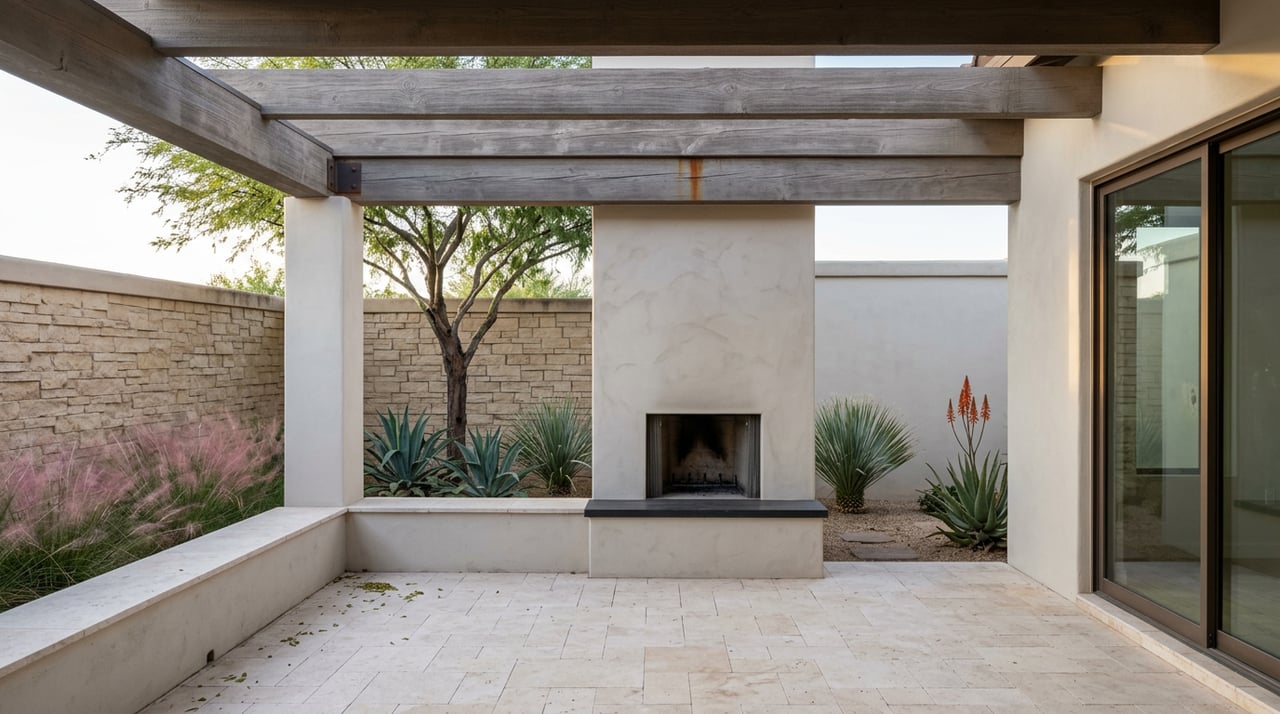
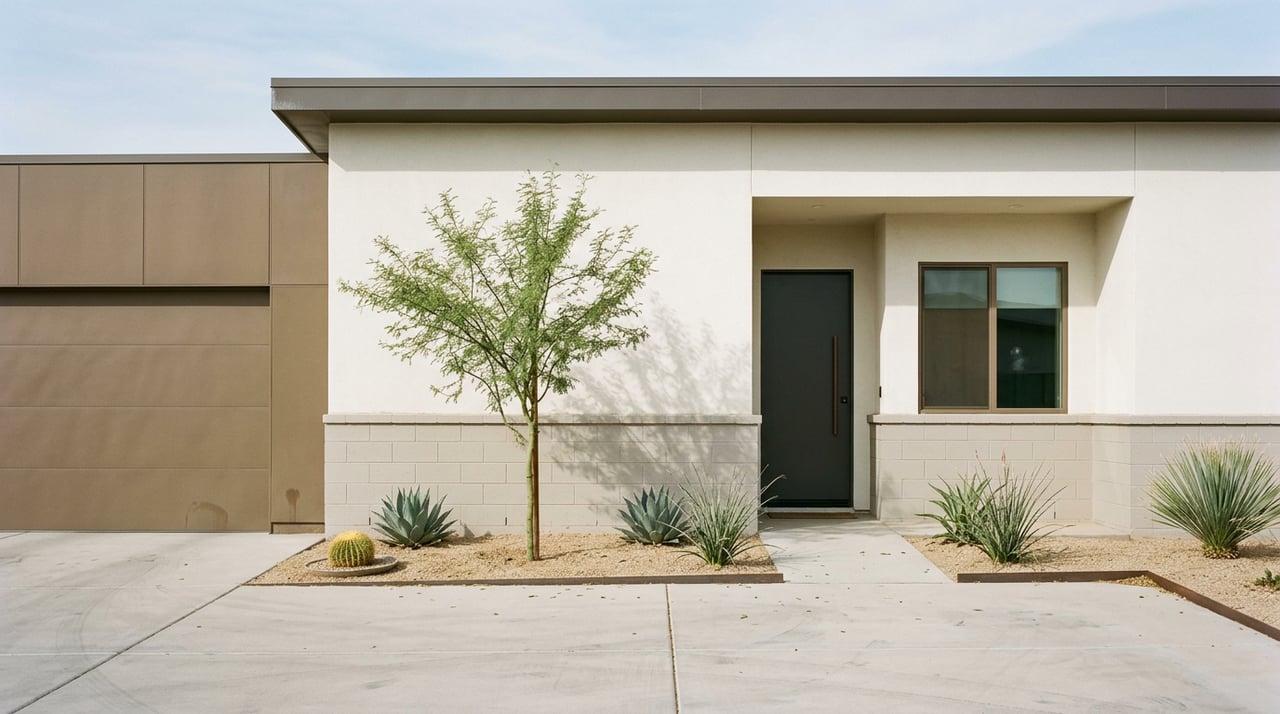
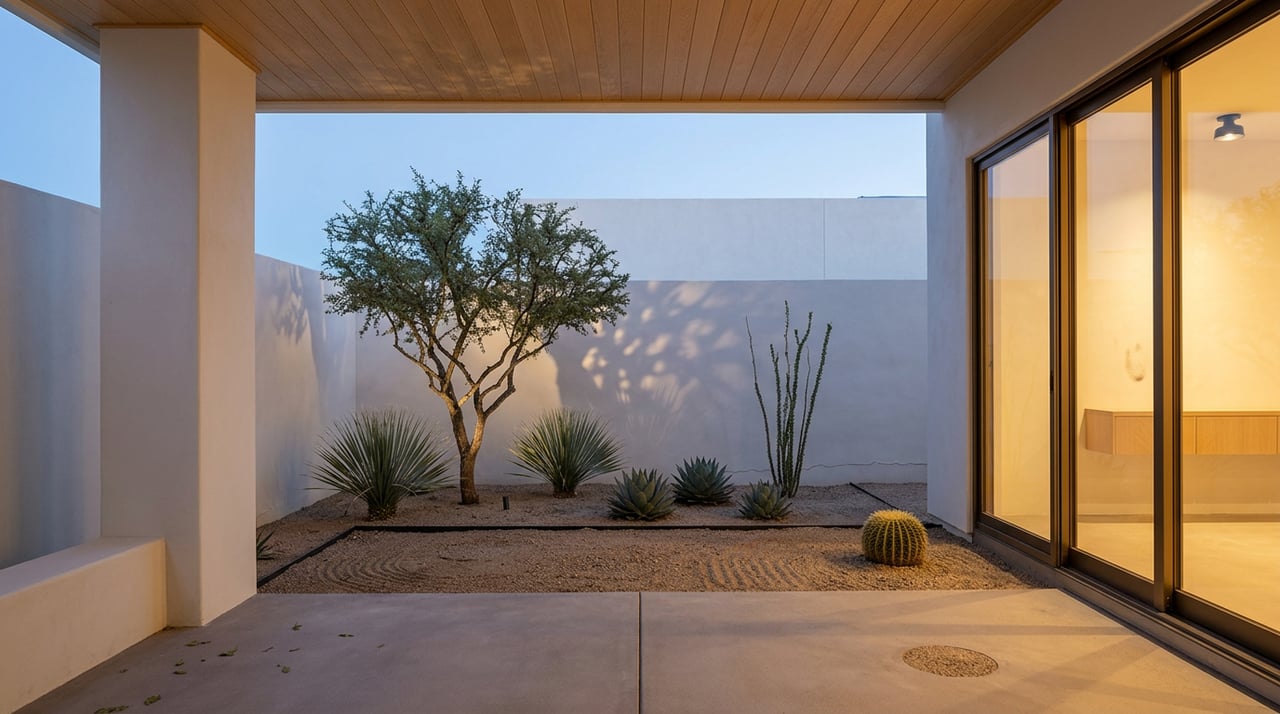
The city also flags blight concerns that can include dead vegetation, damaged or leaning fences, peeling exterior paint, and unsound doors, windows, and screens in its code-compliance brochure. If you want less day-to-day oversight, simple landscaping, durable paint, and easy-to-maintain fencing can help reduce future headaches.
Avoid Improvements That Add Ongoing Friction
Some upgrades look attractive at purchase but create more upkeep later. A hands-off owner is often better served by:
- Low-water, code-friendly landscaping
- Hard-wearing flooring and finishes
- Straightforward exterior paint schemes
- Fence and gate systems in sound condition
- Simple, functional layouts that are easy to maintain
Glendale also notes that fences or walls over six feet require a building permit, so it pays to verify improvements before you buy or renovate using the city’s published code guidance.
Handle Glendale Rental Registration Correctly
One of the easiest mistakes for owners is assuming that long-term rental rules are the same as tax rules. They are not.
Glendale states that for residential rentals of 30 days or more, owners are no longer required to report, collect, or remit city TPT beginning January 1, 2025. However, the city also says the property must still be registered with the county assessor, and residential rental property in Glendale should not be occupied unless the required information is on file, as explained on the city’s residential rental information page.
If you own from out of state, this gets even more important. Maricopa County Assessor guidance says an Arizona statutory agent is required for service of legal process, and rental-registration documents are public records. For a hands-off owner, one reliable local point of contact can make a major difference.
Know the Rules Before You Lease
A smoother rental often comes down to getting the paperwork and process right at the start. Good systems help protect your time, your property, and your tenant relationship.
Follow Arizona Deposit Rules
Arizona law sets specific rules for security deposits. Under A.R.S. § 33-1321, total security, including prepaid rent if applicable under the statute, cannot exceed one and one-half months’ rent.
The same statute requires written disclosure of any nonrefundable fee or deposit. It also requires a signed lease and move-in form, and after move-out, itemized deductions and any remaining balance due must be delivered within 14 days after termination and surrender.
Make Required Disclosures in Writing
Arizona law also requires written disclosure of the name and address of the person authorized to manage the premises, along with owner or service-of-process contact information. Tenants must also be told that the Arizona Residential Landlord and Tenant Act is available on the Department of Housing website, as outlined in A.R.S. § 33-1322.
If you want fewer misunderstandings, this is where a clean, complete lease package matters. Written expectations are one of the best tools a hands-off owner can use.
Respect Notice and Entry Rules
Arizona courts also stress that landlords cannot remove tenants by changing locks, shutting off utilities, or using self-help tactics. The legal process must be followed, and Arizona Courts notes that landlords generally must give at least two days’ written notice before entry unless there is an emergency or notice is impracticable.
For month-to-month tenancies, the same source says at least 30 days’ written notice is generally required to terminate. These timelines are simple, but they matter a lot when you are trying to run a property with fewer disruptions and less conflict.
Use Consistent Screening Standards
If you want a more predictable rental experience, screening needs to be clear and consistent. That helps with efficiency, documentation, and compliance.
The Fair Housing Act overview from HUD explains that renters and buyers are protected from discrimination based on race, color, national origin, religion, sex, familial status, and disability. For owners, that means your screening criteria should be written, objective, and applied consistently.
A hands-off system is not a loose system. It is usually the opposite. Standardized application steps, documented criteria, and organized communication create a cleaner process for everyone involved.
Stay Ahead of Code Issues
One of the biggest threats to truly passive ownership is delayed maintenance. Glendale’s code-compliance process can move from notice to reinspection to possible court action if issues are not corrected, according to the city’s proactive inspection information.
That means you should think beyond the interior of the home. Exterior condition often creates the first problem, especially when nobody is checking on the property regularly.
Focus on the Most Common Triggers
Glendale specifically calls out concerns such as:
- Yard maintenance and weed removal
- Trash, debris, or stored items in public view
- Parking on unapproved surfaces like the front yard
- Exterior paint deterioration
- Damaged or leaning fences
- Unsound doors, windows, or screens
For a low-touch rental, the best strategy is simple: make the property easier to maintain and create a system to catch issues early.
Keep One Local Point of Contact
Hands-off ownership does not mean no management. It means fewer moving parts, faster responses, and better coordination.
In Glendale, that usually works best when one local contact can help oversee notices, repairs, registration, and tenant communication. This is especially useful for out-of-state owners or anyone who does not want to coordinate multiple vendors and timelines on their own.
This kind of setup can also matter if you are exploring voucher tenants. Glendale’s Housing Choice Voucher landlord program includes unit approval, rent-reasonableness review, an NSPIRE inspection, and a mandatory landlord briefing. The same portal includes forms such as W-9s, direct-deposit authorization, rent-adjustment requests, and vendor documents, which supports a more centralized workflow.
A Simple Playbook for Hands-Off Owners
If you want a Glendale rental that runs with less stress, keep your plan focused on a few core priorities:
- Buy practical properties that are easier to maintain.
- Rehab for durability by fixing systems, safety items, and exterior condition first.
- Register correctly and keep required local information current.
- Use complete lease paperwork with clear disclosures and documented move-in condition.
- Apply consistent screening criteria in line with fair housing rules.
- Monitor exterior upkeep so code issues do not build quietly.
- Create one point of contact for repairs, notices, and tenant communication.
That approach is usually what separates a rental that feels manageable from one that keeps pulling you back in.
If you are thinking about buying, leasing, or repositioning a rental property in the Phoenix area, working with a responsive local expert can save you time and reduce avoidable mistakes. Connect with Logan Lewis for practical guidance on property selection, leasing support, and next-step strategy.
FAQs
Do I need to register a long-term rental property in Glendale?
- Yes. Glendale says long-term residential rentals still must be registered with the county assessor before occupancy, even though city TPT on 30-day-or-longer rentals is no longer required beginning January 1, 2025.
Does Glendale charge rental tax on long-term leases?
- No. Glendale states that owners do not need to report, collect, or remit city TPT on residential rental income from stays of 30 days or more beginning January 1, 2025.
What maintenance issues commonly trigger Glendale code enforcement?
- Common issues include weeds, debris in public view, front-yard parking, peeling exterior paint, damaged fences, and unsound doors, windows, or screens.
How much security deposit can a Glendale landlord charge under Arizona law?
- Arizona law caps total security, as defined by statute, at one and one-half months’ rent.
What should a hands-off Glendale rental owner prioritize during rehab?
- Start with habitability, safety, and durable systems like HVAC, water heater, doors, windows, and other items that reduce future repair calls.
What should Glendale landlords know about voucher tenants?
- Glendale’s Housing Choice Voucher landlord program requires steps such as unit approval, rent-reasonableness review, an NSPIRE inspection, and a landlord briefing before lease-up.